EDMO is a nonprofit afterschool and summer program where kids learn through science, art, and play. Through programs for families and partnerships with schools and districts, we create joyful learning experiences that cultivate kind, curious, and courageous humans.
Bingo wasn’t always played the way we know it today. Back in the 1800s , teachers in Germany actually used it to help students learn spelling, animals, math and history. Pretty cool, right? From the start, Bingo has been about learning through play and celebrating small wins along the way.
Research shows that when students set goals and track their progress, they stay more motivated, build confidence, and even do better academically . Add in the social-emotional growth that comes with practicing kindness, courage, and self-reflection, and you’ve got a game that’s secretly building lifelong skills.
That’s exactly what makes Back-to-School Bingo so powerful. The new school year can feel big and sometimes even overwhelming—new classrooms, new friends, new challenges. Bingo helps kids break that big adventure into small, meaningful goals. Each square is something to aim for: asking a curious question, finishing a book, giving a thoughtful compliment, or leading a project.
While kids are checking off boxes, they’re also charting their growth, square by square, goal by goal, all year long. Our Back-to-School Bingo helps kids see that every small win adds up to something bigger.
How to Play Back-to-School Bingo Bingo is simple to play, and that’s what makes it such a great activity to do at home. Instead of numbers, each square is filled with a goal for the school year. Some goals are short and easy to achieve, while others take more time and practice. The challenge is to complete a row, column, or diagonal, but the real magic is in celebrating each square along the way.
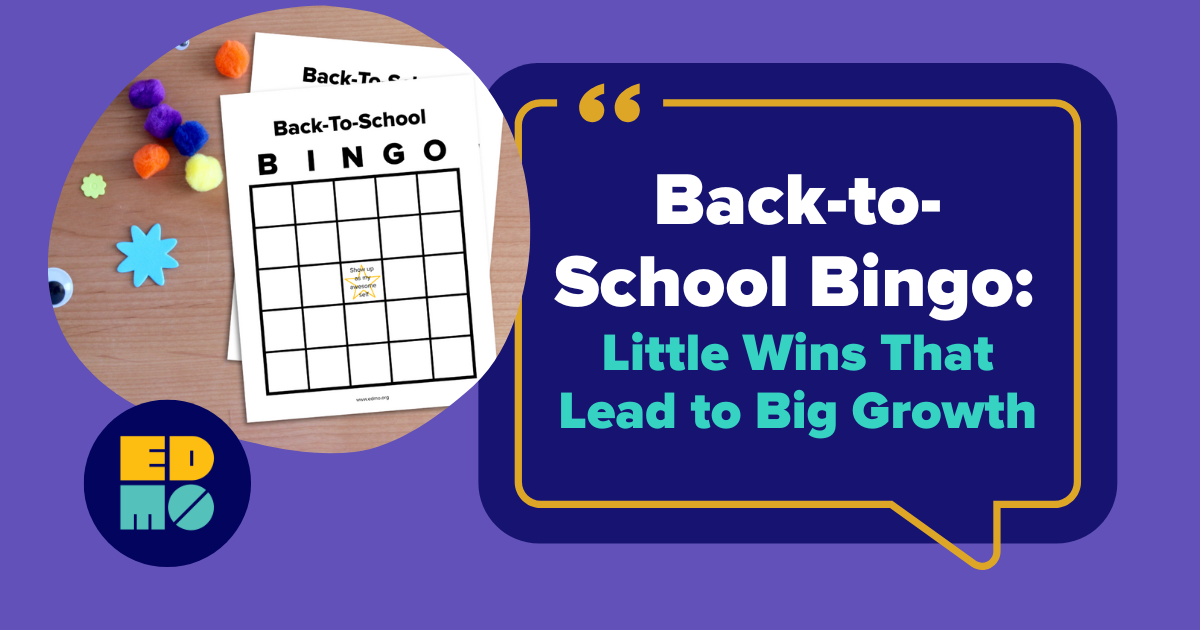
Step 1: Create Your Board Start by drawing a 5x5 grid on a piece of paper, or print a blank card we’ve created here . You can use some of our suggested goals listed below or make your own. The key is to allow kids to choose goals that are meaningful to them, things that stretch their knowledge, curiosity, and connection to themselves and others, while still feeling fun and achievable. To make their Bingo board extra special, invite kids to decorate it in exciting colors or draw pictures related to the goals they hope to achieve.
Step 2: Choose Your Goals Here’s where the adventure really begins. Each square represents a mini-goal for the year. A mix of short-term wins and long-term challenges keeps kids engaged and excited. Kids will need to choose 24 goals for this activity. When brainstorming goals, encourage kids to think about:
Trying Something New: The school year is full of fresh opportunities. Maybe it’s joining a new game at recess, raising their hand to share in class, or checking out a book series they’ve never read before. Trying something new builds curiosity and helps kids discover what excites them.Improving or Learning About a New Skill: Every learner has areas where they want to grow. It might be solving multi-step math problems, practicing calming breaths before a test, or writing longer stories. Choosing goals that focus on improvement shows kids that growth comes from effort, not perfection.Connecting with Others and Building Friendships: Relationships are a big part of school. Kids can set goals to make new friends, invite someone new to sit with them at lunch, or give thoughtful, kind compliments. These goals reinforce kindness, empathy, and community.Building Courage: Being brave looks different for every kid. For some, it’s speaking up with a new idea in front of the class; for others, it’s leading a group project or trying out for a play. Courage-based goals help kids stretch just outside their comfort zones while knowing they’re fully supported.Showing Kindness to Self and Others: Sometimes the most important growth comes from how we treat ourselves. Kids might choose to write down three things they like about themselves, forgive themselves after a mistake, or encourage a classmate who’s feeling nervous. These goals nurture self-compassion and empathy at the same time.
Here are some tips to help get those ideas flowing:
Ask Questions: “What’s something you’ve always wanted to do at school but haven’t tried yet?”Think About Last Year: “What felt hard or tricky that you’d like to practice again this year?”Balance the Board: Mix quick wins with longer challenges so it feels fun and achievable.Keep it Playful: Kids can add silly, creative goals too (like inventing a new handshake or drawing something they see in nature).
Here are some examples of goals to help your kiddo determine theirs:
Make three new friends throughout the year Try a brand-new activity at recess, after school, or at home Teach your family something you learned in school Write a thank-you note to a teacher or staff member Solve a multi-step math word problem on your own Take the lead in a group project (remember to include everyone’s ideas!) Record ten nature observations like a scientist across the seasons Design and build something that solves a problem Give ten thoughtful, kind compliments during the school year Encourage someone who’s feeling nervous Invite someone new to sit with you at lunch Reflect on a mistake and explain how it helped you grow Notice when you feel frustrated and take three deep breaths instead of getting mad Try a new art style (collage, watercolor, sculpture, etc.) Work with someone you don’t usually partner with Learn how to say “hello” in three different languages Discover a new author or book series you enjoy Write a positive affirmation for yourself and say it out loud Help clean up the classroom or playground without being asked Show courage by volunteering to go first in class Research an animal, place, or topic you’ve never learned about before Teach someone a skill you’re proud of Build a structure with blocks, LEGOs, or recycled materials Practice active listening (eye contact, nodding, no interrupting) in a conversation Invent a game and play it with friends Learn about a famous scientist, artist, or changemaker and share what inspires you Draw a design for something that doesn’t exist yet
Step 3: Fill in Your Squares Once the goals are chosen, it’s time to add them to the board. Write one goal in each square until the whole card is filled. The square in the very center of the board is the FREE SPACE, so kids automatically start out with a win! They can fill this in with something fun and confidence-boosting, like “Show up as my awesome self.”
Encourage kids to spread out the types of goals so each row and column feels like a mix of some quick wins, some longer challenges, some focused on kindness, and some on courage or curiosity. That balance keeps the game fun and motivating throughout the year.
Tip for families: Let your kiddo write in the squares themselves or decorate them with drawings, stickers, or colors. When kids make the board their own, they’ll feel more connected to the goals and more excited to work toward them.
Step 4: Celebrate the Wins Reaching a goal is exciting and celebrating progress is just as important as finishing the game. Kids can mark off each square with a sticker, a stamp, or even a colorful drawing. When your kiddo completes a row or column, take a moment to celebrate, whether it’s with a high five, a special snack, or simply pausing to talk about what they learned.
Celebration turns each square into more than just a task, it becomes a memory and a confidence booster.
Step 5: Call Out BINGO When your kiddo completes a row, column, diagonal, or the whole board, it’s officially a Bingo moment! So shout out BINGO! and celebrate! This is their big win, and it deserves to be cheered for in a big way. Make it feel special by snapping a photo of the finished row or full board and reflecting with questions like, “Which goal was the trickiest?” or “Which one made you smile the most?” Reaching a Bingo shows kids just how much they’ve grown, and gives everyone a reason to celebrate their adventure of curiosity, courage, and kindness.
Why It Matters Back-to-School Bingo isn’t just about getting five in a row or winning the game. It’s about showing kids that every little effort counts. From making new friends to taking on big challenges, each square reinforces the values of learning, curiosity, courage, and kindness.
And when kids look back at the end of the year, they’ll see that what once felt like a big, overwhelming adventure turned into something they tackled one square at a time.
Whether you’re a family looking for an engaging program for your kiddo or a school or district looking for a trusted partner, EDMO is here to help create meaningful learning experiences beyond the school day. Together, we give kids and communities more opportunities to connect, learn, and thrive. If you enjoyed this blog, consider joining our newsletter!